William Wragg: The Rise and Fall of a Principled Politician
A Powerful Journey of a Former Member of Parliament of the United Kingdom Who Stood for Integrity and Faced Controversy

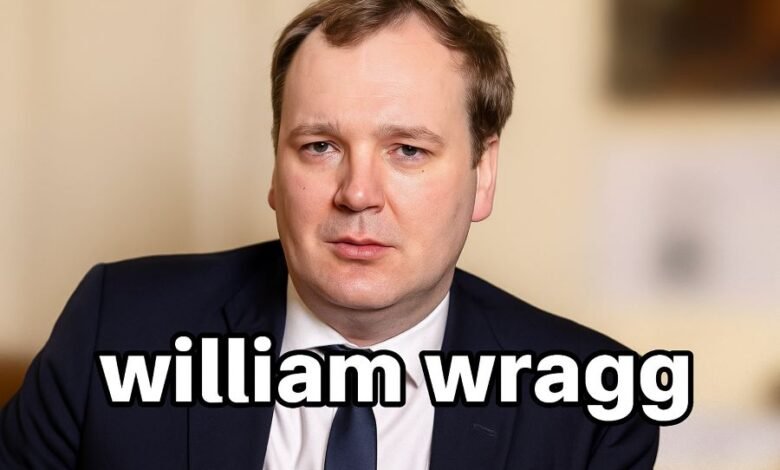
Table of Contents
ToggleIntroduction
William Peter Wragg, a prominent Former Member of Parliament of the United Kingdom, is a name that resonates with both admiration and controversy. Known for his independent voice, intellectual sharpness, and youthful leadership, William Wragg’s political journey represents the blend of conviction and human imperfection. From a passionate teacher and community leader to a national figure in British politics, Wragg’s story captures the challenges of integrity, pressure, and public scrutiny in modern governance.
Born in 1987 in Greater Manchester, England, William Wragg quickly became one of the youngest Conservative MPs when he entered the House of Commons in 2015. Over the years, his contributions to public administration, his courage to question authority, and his dedication to serving his constituency established him as a respected lawmaker. However, his later resignation amid personal challenges and controversy paints a complex yet deeply human portrait of a politician who dared to be different.
Quick Bio
| Attribute | Details |
|---|---|
| Full Name | William Peter Wragg |
| Date of Birth | 11 December 1987 |
| Birthplace | Hazel Grove, Greater Manchester, England |
| Nationality | British |
| Education | Poynton High School; University of Manchester (BA in History, First Class) |
| Political Party | Conservative (2015–2024), Independent (2024) |
| Occupation | Former Member of Parliament of the United Kingdom |
| Constituency | Hazel Grove |
| Years Active in Parliament | 2015 – 2024 |
| Known For | Integrity, Leadership, Independent Voice, Mental Health Advocacy |
Early Life and Education
William Wragg was born and raised in the Hazel Grove area of Greater Manchester, England. His upbringing in a close-knit northern community shaped his values of public service, empathy, and hard work. He attended Poynton High School, where he showed early promise in academics and leadership. Later, he pursued a degree in History at the University of Manchester, graduating with first-class honours—a testament to his intellectual discipline and curiosity about governance and society.
After graduation, Wragg joined the Teach First programme, dedicating his time to teaching in primary education. His early teaching experience developed his understanding of social inequality and the importance of public service, laying the foundation for his future political ambitions. His passion for community development soon led him into local politics, where his dedication quickly gained attention.
Political Beginnings and Entry into Parliament
William Wragg’s political journey began at the local level when he was elected as a councillor for the Hazel Grove ward on Stockport Metropolitan Borough Council in 2011. His victory was seen as a new beginning for local Conservative representation. Known for his clarity of speech and commitment to local issues, Wragg built a reputation for being approachable and principled.
In May 2015, at the age of 27, he was elected as the Member of Parliament for Hazel Grove, making him one of the youngest MPs in the House of Commons at the time. His victory restored Conservative representation in the constituency after nearly two decades. From his first day in Parliament, Wragg displayed an unwavering sense of independence, earning both respect and criticism within his party.
Achievements and Leadership Roles
As a Former Member of Parliament of the United Kingdom, William Wragg left a significant mark during his time in office. In 2020, he was appointed Chair of the Public Administration and Constitutional Affairs Committee (PACAC), a powerful body responsible for overseeing transparency, civil service ethics, and government accountability. Under his leadership, the committee tackled important issues of parliamentary reform and public trust.
He also served as Vice-Chair of the 1922 Committee, an influential group of backbench Conservative MPs. This role reflected the confidence his colleagues placed in his judgment and fairness. Despite his growing prominence, Wragg remained rooted in his principles—often challenging party decisions when they conflicted with his sense of right and wrong.
Political Stance and Key Contributions
Throughout his career, William Wragg was known for speaking his mind, even when it meant opposing his party. He supported the Brexit campaign during the 2016 referendum, believing in the sovereignty of Parliament and national self-determination. However, his independence often extended beyond party lines.
During the COVID-19 pandemic, Wragg became a voice of concern about prolonged restrictions and government overreach. Later, in 2022, he made national headlines when he publicly called for Prime Minister Boris Johnson’s resignation over the “Partygate” scandal. His statement earned him recognition as a politician who valued integrity over loyalty—a rare trait in contemporary politics.
Resignation and Controversy
In April 2024, Wragg faced a serious personal and professional setback when he admitted to sharing contact details of fellow MPs after being targeted online. The incident led him to resign as Chair of PACAC and step down from the Conservative Party whip, choosing to sit as an Independent MP.
While the controversy overshadowed much of his earlier achievements, Wragg’s open acknowledgment of his mistake demonstrated personal accountability. The episode also brought attention to digital vulnerability and mental health challenges faced by public figures in an era of constant online exposure.
Personal Life and Advocacy
William Wragg is known for his openness about mental health. He has spoken candidly about his experiences with anxiety and depression, encouraging more compassion and transparency in political life. His honesty has made him a relatable figure, inspiring conversations about the pressures of public office.
As one of the few openly gay Conservative MPs, Wragg has also been a symbol of diversity within British politics. His personal integrity, combined with his courage to live authentically, has resonated with many across the political spectrum.
Legacy and Public Image
The legacy of William Wragg lies in his courage, independence, and humanity. Though his career ended in controversy, his early years in politics showcased a deep commitment to integrity and accountability. He proved that an MP could challenge power, prioritize constituents, and remain true to their conscience—even at personal cost.
As a Former Member of Parliament of the United Kingdom, Wragg’s career serves as both an inspiration and a warning. It highlights the immense pressures faced by politicians in a digital age and the enduring importance of honesty in leadership. Despite his departure from Parliament, his story continues to influence discussions about mental health, privacy, and the responsibilities of public service.
Conclusion
William Wragg’s journey from a schoolteacher in Greater Manchester to a Former Member of Parliament of the United Kingdom is one of ambition, conviction, and complexity. He embodied both the promise of youthful leadership and the vulnerability of public life. His achievements in government oversight and his advocacy for mental health awareness will remain part of his enduring legacy, even as his later controversies serve as reminders of the human side of politics.
In the balance of strengths and struggles, Wragg’s story represents the realities of modern political life—a tale of principle tested by pressure, and of resilience emerging from remorse.
FAQs
Q1. Who is William Wragg?
William Peter Wragg is a British politician who served as the Member of Parliament for Hazel Grove from 2015 to 2024.
Q2. What was William Wragg known for?
He was known for his independence, leadership as Chair of PACAC, and advocacy for integrity and mental health in politics.
Q3. Why did William Wragg resign from the Conservative Party?
He resigned after admitting involvement in a personal controversy in 2024, choosing to serve the remainder of his term as an Independent MP.
Q4. What was his educational background?
He studied History at the University of Manchester and graduated with a first-class degree.
Q5. What is William Wragg’s legacy?
His legacy includes principled leadership, transparency in governance, and openness about mental health challenges in public life.