Suzanne Farrington: The Quiet Life and Enduring Legacy of Vivien Leigh’s Daughter

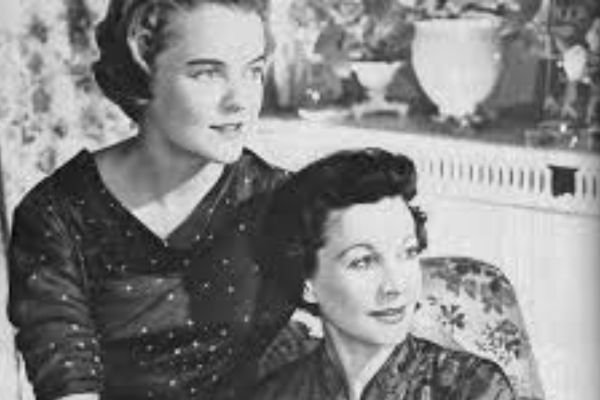
Table of Contents
ToggleIntroduction to Suzanne Farrington
Suzanne Farrington is a name often mentioned alongside one of the greatest actresses in film history, Vivien Leigh. Yet Suzanne’s own life followed a very different direction. Born into fame but never drawn to it, she lived a calm, private life shaped by family, responsibility, and a deep respect for history. Her story is not about chasing the spotlight. It is about choosing dignity, balance, and personal purpose while carrying an extraordinary legacy.
This article explores Suzanne Farrington’s life in depth, from her early years and family background to her personal choices, marriage, and the role she played in preserving one of cinema’s most important legacies.
Early Life and Family Background
Birth and Parentage
Suzanne Farrington was born as Suzanne Mary Holman in London in the early 1930s. She was the only child of Vivien Leigh, an actress whose career would later redefine Hollywood stardom, and Herbert Leigh Holman, a successful and respected barrister. From the moment of her birth, Suzanne’s life was shaped by two very different worlds: law and cinema.
Her arrival came at a time when her mother was still rising in her career. As Vivien Leigh’s professional commitments increased, Suzanne’s upbringing became more structured and protected.
Childhood Shaped by Fame and Distance
Although Suzanne Farrington was born into fame, she did not grow up in constant closeness with it. Much of her childhood was spent under the care of her father and grandmother. This separation was not driven by neglect, but by circumstance. Vivien Leigh’s demanding acting schedule made a traditional family life difficult.
This early distance influenced Suzanne’s personality. She grew up independent, reserved, and emotionally self-contained, qualities that stayed with her throughout her life.
War Years and Relocation
During the Second World War, Suzanne was sent abroad for safety. She lived in Canada for a period, where she attended school and lived a quieter life away from the dangers of war. Even there, her connection to a famous mother brought attention, reminding her early on that fame could intrude even when uninvited.
Education and Early Aspirations
Schooling and Cultural Exposure
After returning to England, Suzanne Farrington continued her education at respected schools. She was well educated, multilingual, and exposed to European culture through time spent abroad. Her upbringing placed importance on discipline, manners, and intellectual development rather than celebrity status.
A Brief Step Towards Acting
As the daughter of Vivien Leigh, expectations naturally followed her. Suzanne later enrolled in a prestigious drama school, exploring acting as a possible career. At the time, this seemed like a natural step, and many assumed she would follow in her mother’s footsteps.
However, this phase was short-lived. After experiencing the realities of performance and public scrutiny, Suzanne realised that acting was not her calling. This decision marked a turning point in her life.
Choosing a Different Path
Rather than forcing herself into a role that did not suit her, Suzanne Farrington stepped away from acting completely. This choice required courage, especially given the expectations surrounding her name. Instead of fame, she chose peace and authenticity.
Adult Life and Personal Identity
Building a Life Away from the Spotlight
Suzanne Farrington deliberately shaped a life far removed from public attention. She worked quietly, supported family ventures, and avoided media exposure. Her sense of identity was not tied to public approval but to personal stability and meaningful relationships.
She preferred routine over glamour and privacy over recognition. This approach gave her control over her own narrative.
Relationship with Her Mother
Suzanne’s relationship with Vivien Leigh evolved over time. While early years were marked by distance, adulthood brought greater understanding. As Suzanne matured, she and her mother developed a warmer bond, sharing time together away from the public eye.
This later closeness helped Suzanne gain a deeper understanding of her mother as a person, not just a film icon.
Marriage and Family Life
Marriage to Robin Farrington
Suzanne Farrington married Robin Neville Farrington, a former military officer and insurance broker. Their marriage was stable, respectful, and grounded in shared values rather than public attention. Suzanne adopted the Farrington surname and embraced her role as a wife and mother.
This marriage marked the beginning of the most settled period of her life.
Motherhood and Family Focus
Suzanne and her husband had three sons. Motherhood became central to her identity. She devoted herself to raising her children with strong values, offering them a life that prioritised normality over fame.
Despite their famous grandmother, Suzanne ensured her children grew up with privacy and structure, protecting them from unnecessary attention.
Preserving a Historic Legacy
Inheriting Vivien Leigh’s Estate
After Vivien Leigh’s death, Suzanne Farrington inherited the majority of her mother’s personal estate. This included letters, diaries, photographs, scripts, and private documents. With this inheritance came responsibility.
Suzanne understood the historical value of these materials. Rather than hiding them away, she worked carefully with historians and biographers to ensure her mother’s story could be told accurately and respectfully.
A Guardian of Film History
Suzanne Farrington played a vital role in preserving classic cinema history. By allowing controlled access to her mother’s archives, she helped future generations understand the real life behind iconic performances.
Her role was not loud or public, but it was deeply significant. Without her cooperation, much of Vivien Leigh’s personal story might have been lost or misunderstood.
Later Years and Quiet Living
Life in the Countryside
In later life, Suzanne lived quietly in the English countryside. She valued simplicity, routine, and community. Her days were spent away from public events, focused on family, reflection, and preserving memories.
Even in old age, she remained private, rarely appearing in public unless necessary.
Final Years and Passing
Suzanne Farrington passed away in her early eighties. Her death marked the end of a direct personal link to one of cinema’s golden eras. She left behind children, grandchildren, and a carefully protected legacy.
Her passing was quiet, much like her life.
Public Interest and Enduring Curiosity
Why Suzanne Farrington Still Matters
People continue to search for Suzanne Farrington because she represents a rare contrast. She was born into fame but never consumed by it. Her life answers an unspoken question: what happens when someone chooses peace over popularity?
Her story resonates with those who value restraint, integrity, and self-awareness.
A Different Kind of Influence
Suzanne Farrington did not influence the world through performances or public speeches. Her influence came through preservation, choice, and quiet strength. She showed that stepping back can be just as powerful as stepping forward.
Conclusion
Suzanne Farrington lived a life defined by thoughtful decisions rather than public expectations. As the daughter of Vivien Leigh, she could have pursued fame, yet she chose privacy, family, and responsibility. In doing so, she became the guardian of an important cultural legacy while protecting her own peace.
Her story reminds us that significance does not always come from visibility. Sometimes, it comes from knowing when to remain quietly behind the scenes.